THE "ORO DELL'ORBA" HISTORICAL AND INTERACTIVE MUSEUM
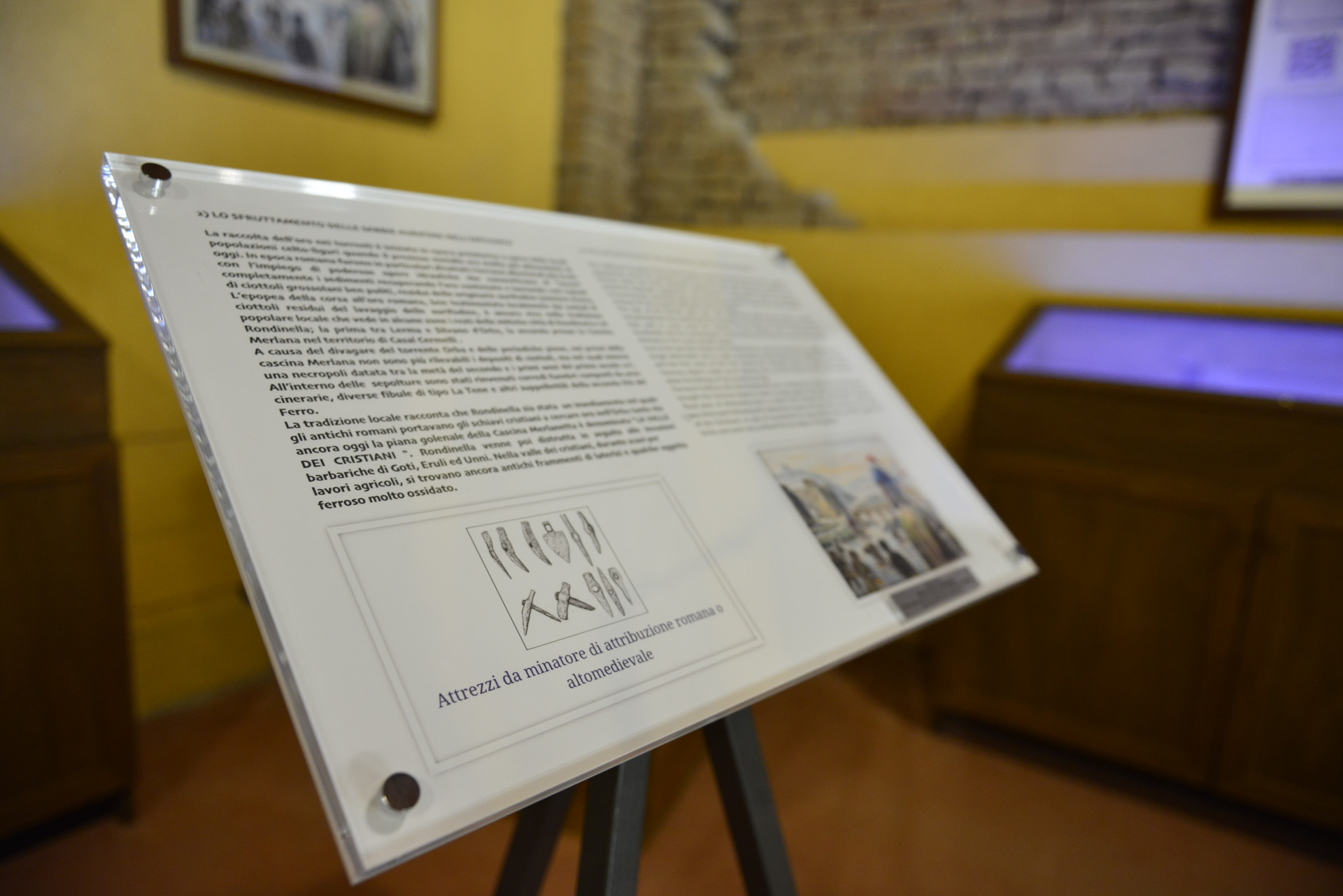
Like other gold-bearing rivers of the Po Valley, the Orba stream has been the subject of intense "gold fishing" over the centuries and in some periods of industrial cultivation.
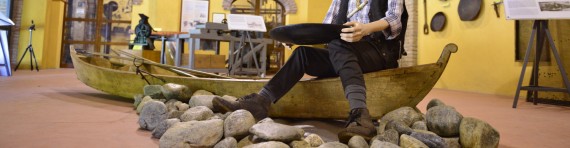
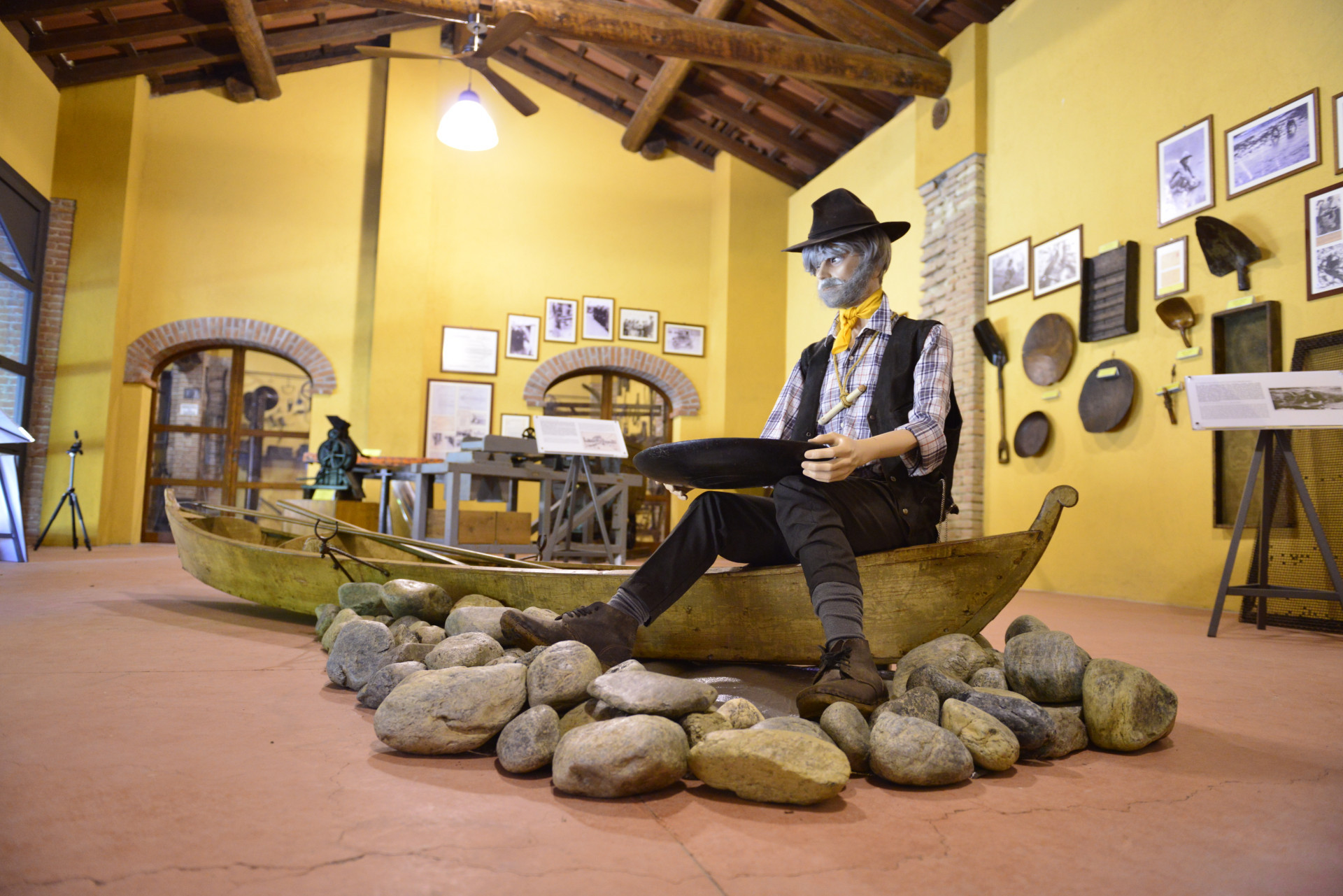
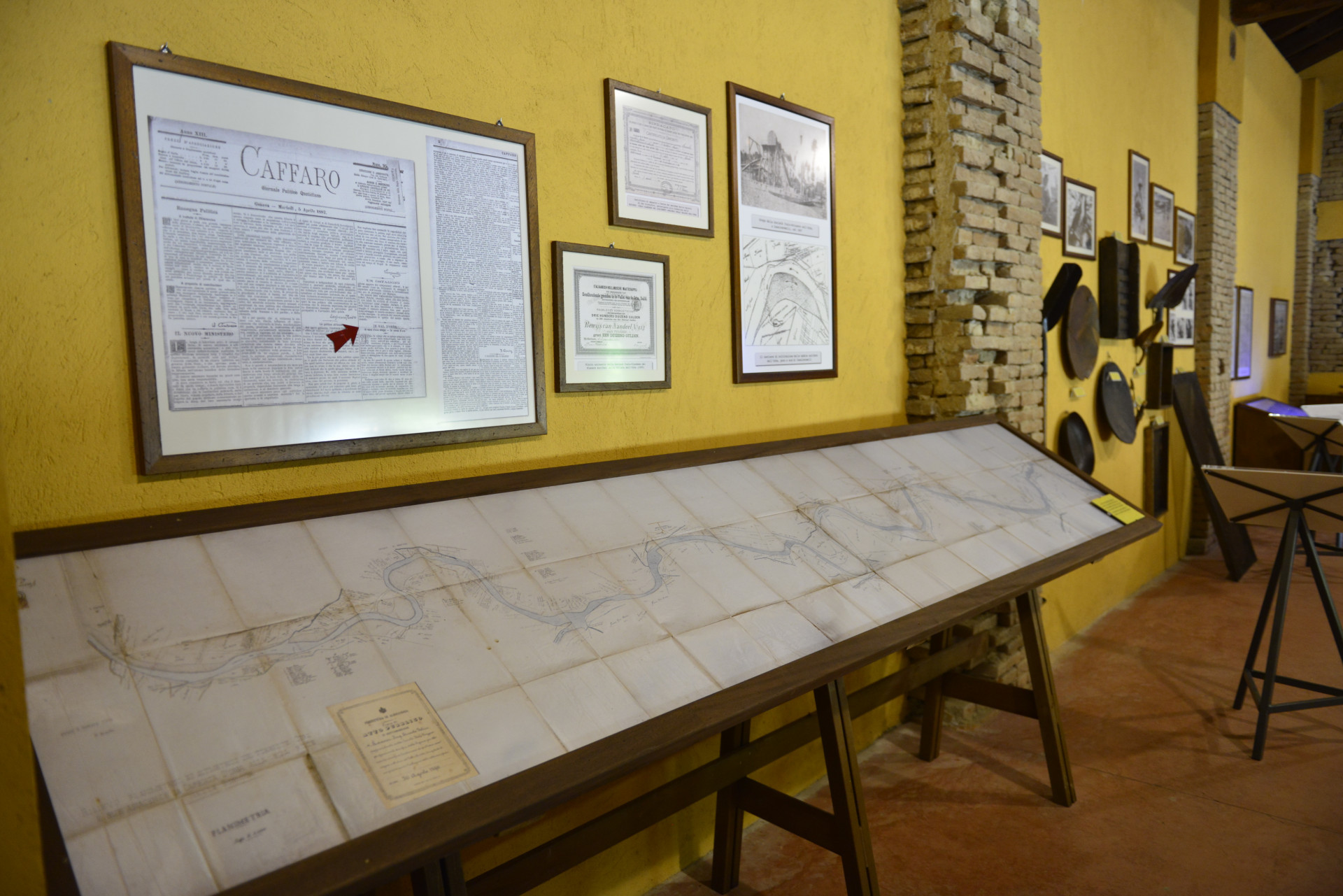
There are numerous testimonies of this activity, collected by dr. Giuseppe Pipino and illustrated by him in various publications and in the then historical museum of Italian gold established in 1987 in Predosa. Since the beginning of 2019 they have been grouped definitively in the Casal Cermelli Museum, one of the small towns of the lower Orba valley. The choice of the town is not accidental, as was the availability shown by Cascina Merlanetta which made available a restored portion of the old rural building. Casal Cermelli is in fact the only village in the Val d'Orba where the memory of the "fishing" activity carried out in the past by the inhabitants of Casal Cermelli and by the inhabitants of the nearby hamlet of Portanova is still alive: many still remember the stories of their parents who, as children, helped older relatives to collect and sift the gold sands of the Orba.
THE GOLD OF THE ORBA AND ITS HISTORY
"Porti d'i barlafìs": the tools of a lost world
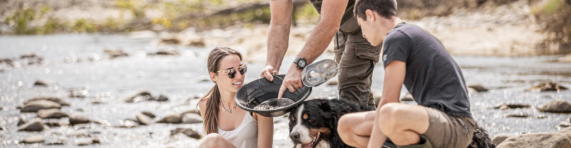
In fact, there were many who, in past times and up to a few decades ago, dedicated themselves to the "gold fishing" in the Orba, alternating this activity with the care of the fields.
The Nizzo, Testa, Bianchi, Grassano and Bastianino families worked in Casal Cermelli in particular, in Portanova, the Marzola and the Ricagni. The working day yielded two or three grams of gold down to seven or eight grams in particularly rich places and in fortunate times. The Casalcermellese Biagio Testa recalled that in the thirties of the last century his father and grandfather managed to put together eighteen grams of the precious metal in a single day. The system and the means used were simple and ancient.
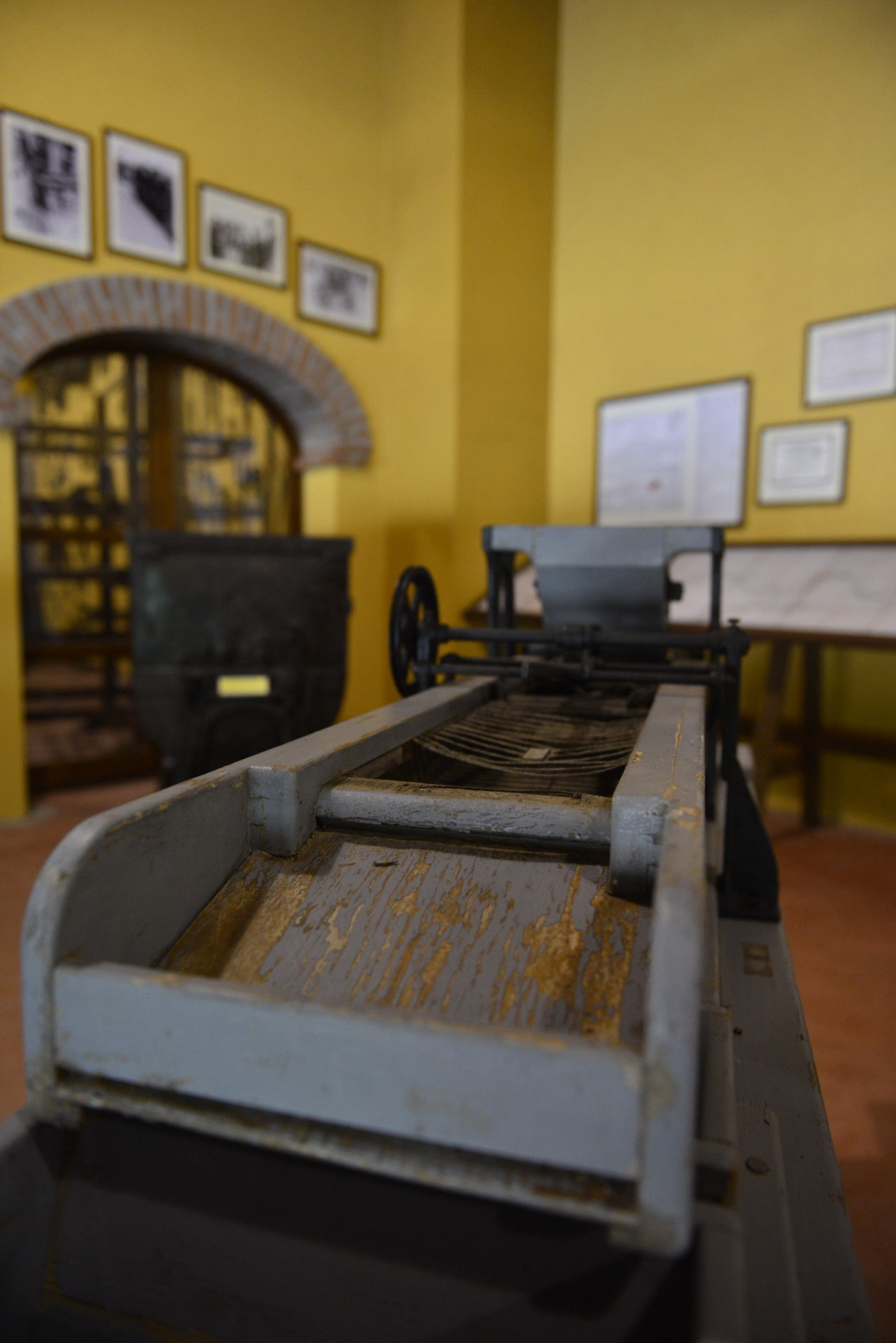
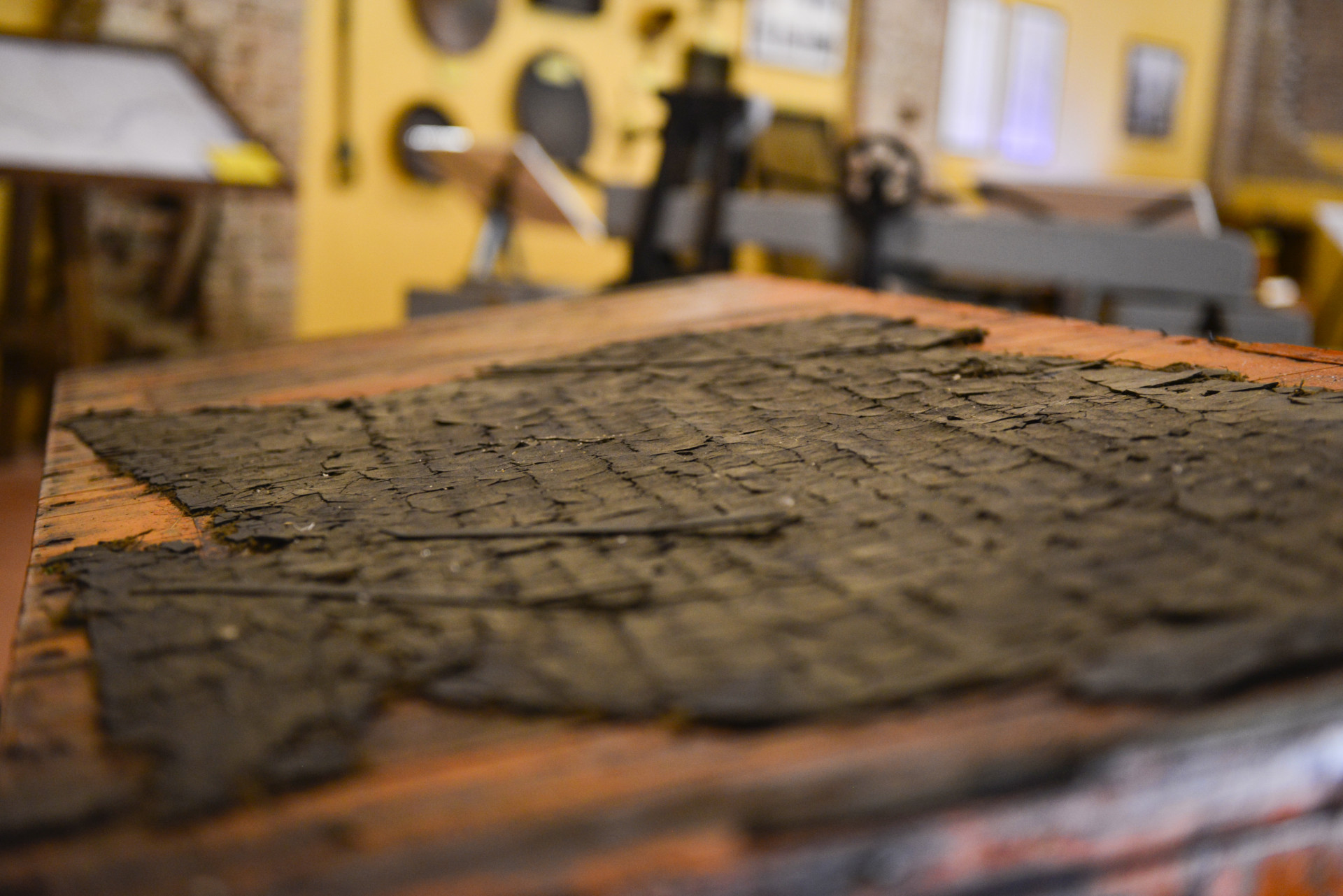
Recognizing the richest area with small tastings, the coarse material was sieved and the sand obtained was washed, made to slide on a small grooved axis suitably arranged so that the current of water dragged away the light part.
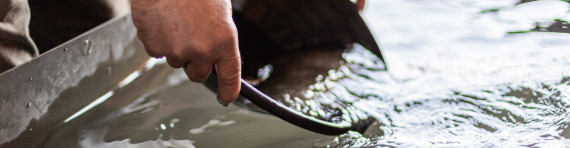
Subsequently the "concentrate" was then washed on the plate in order to be able to recover the gold flakes left on the bottom.
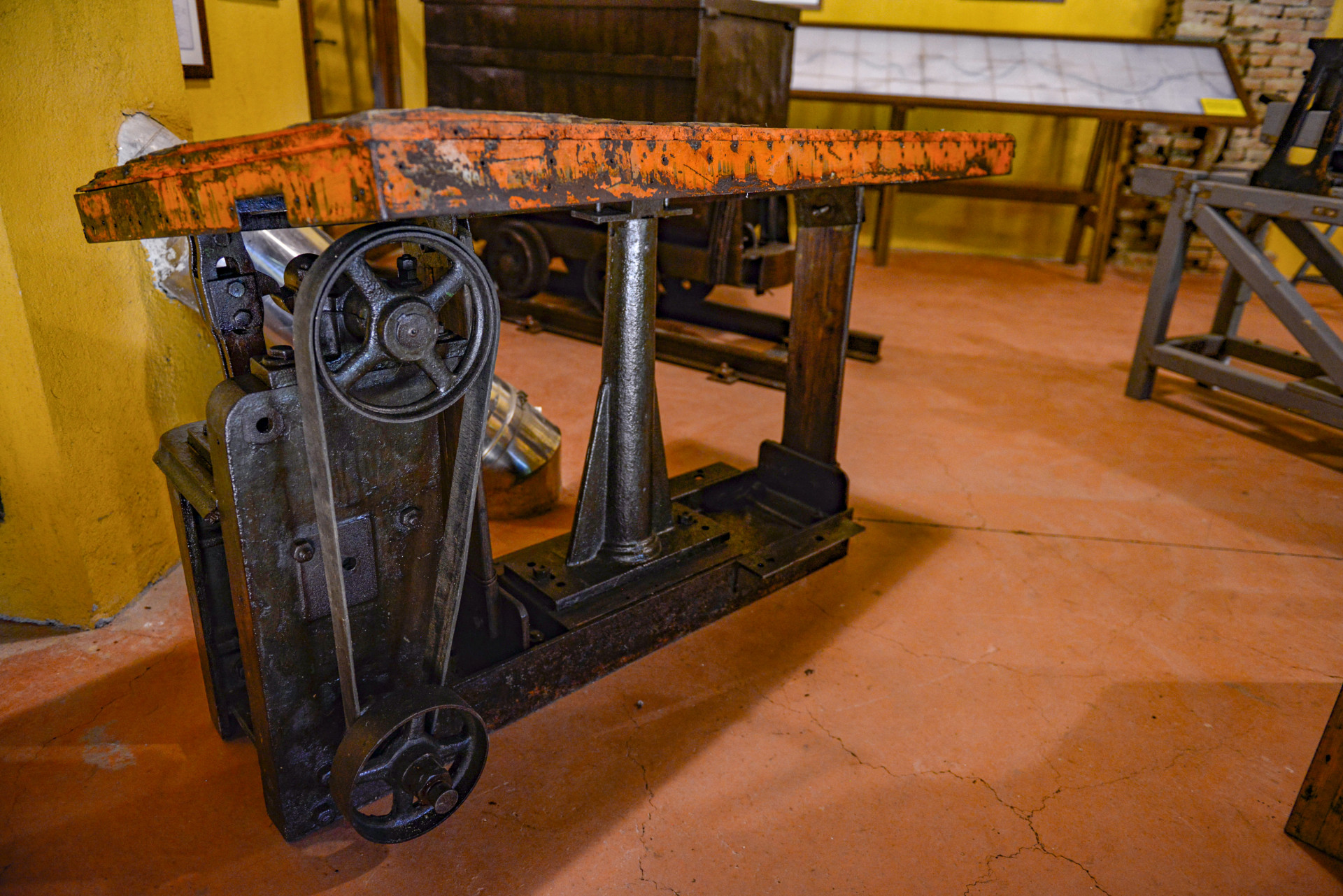
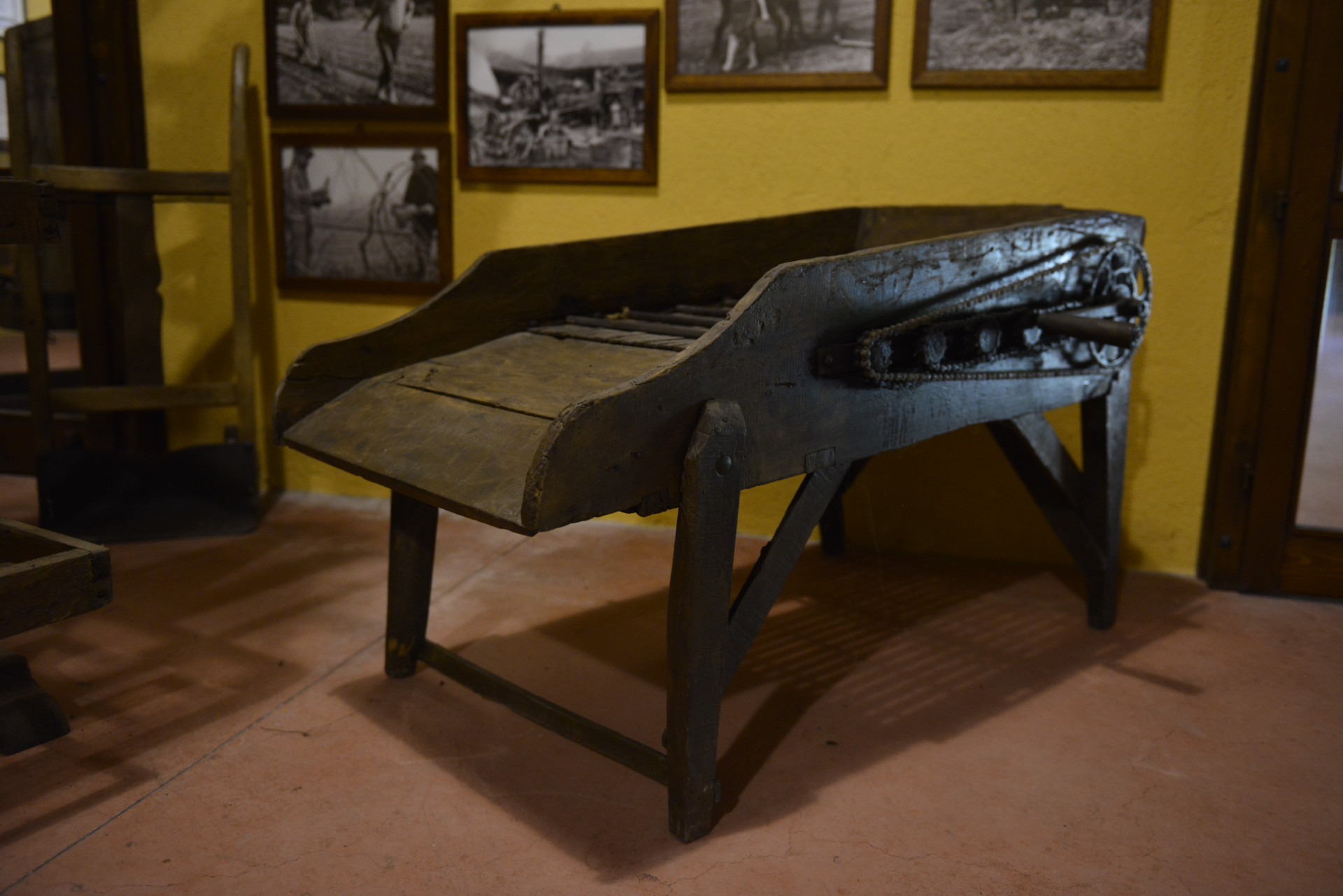
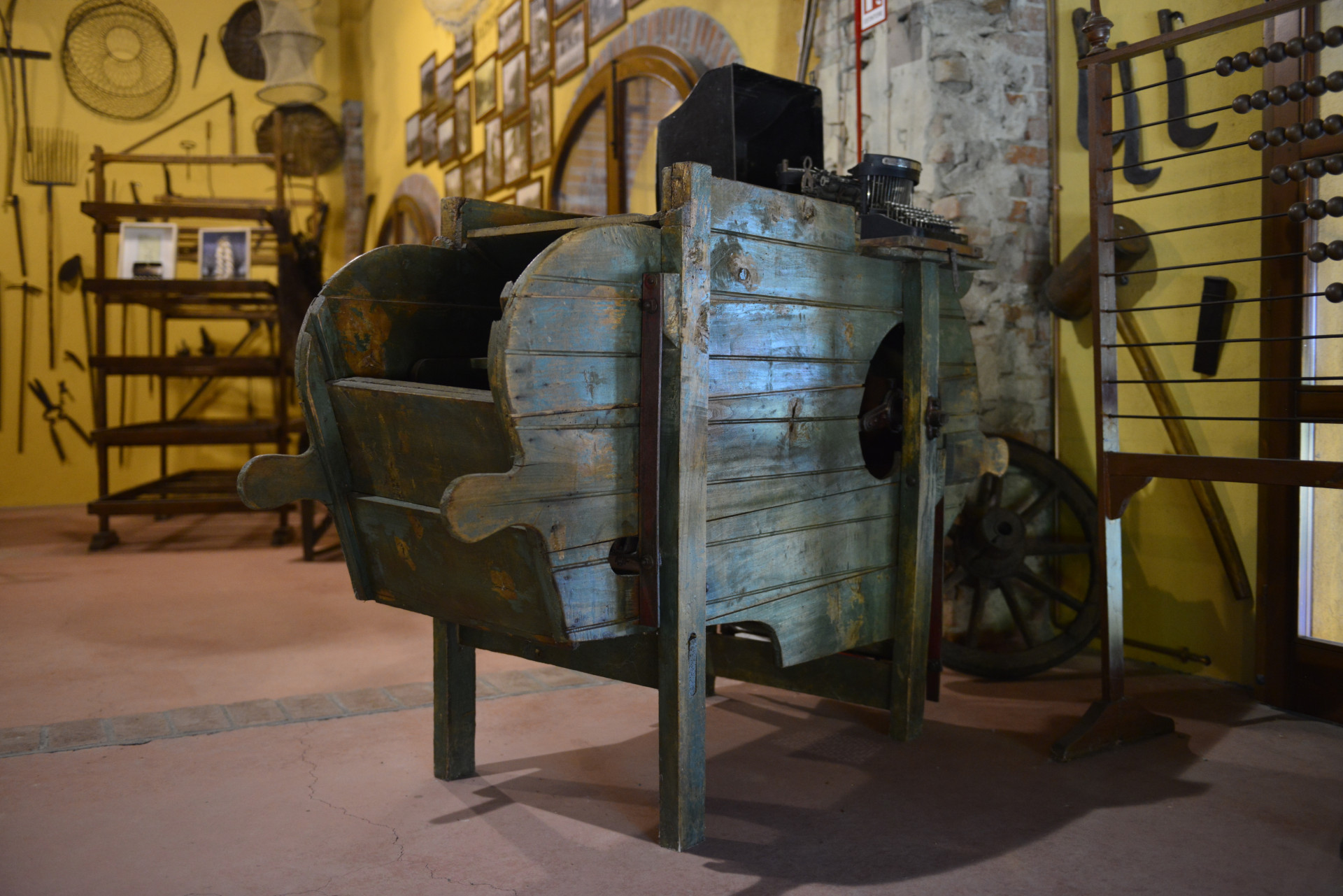
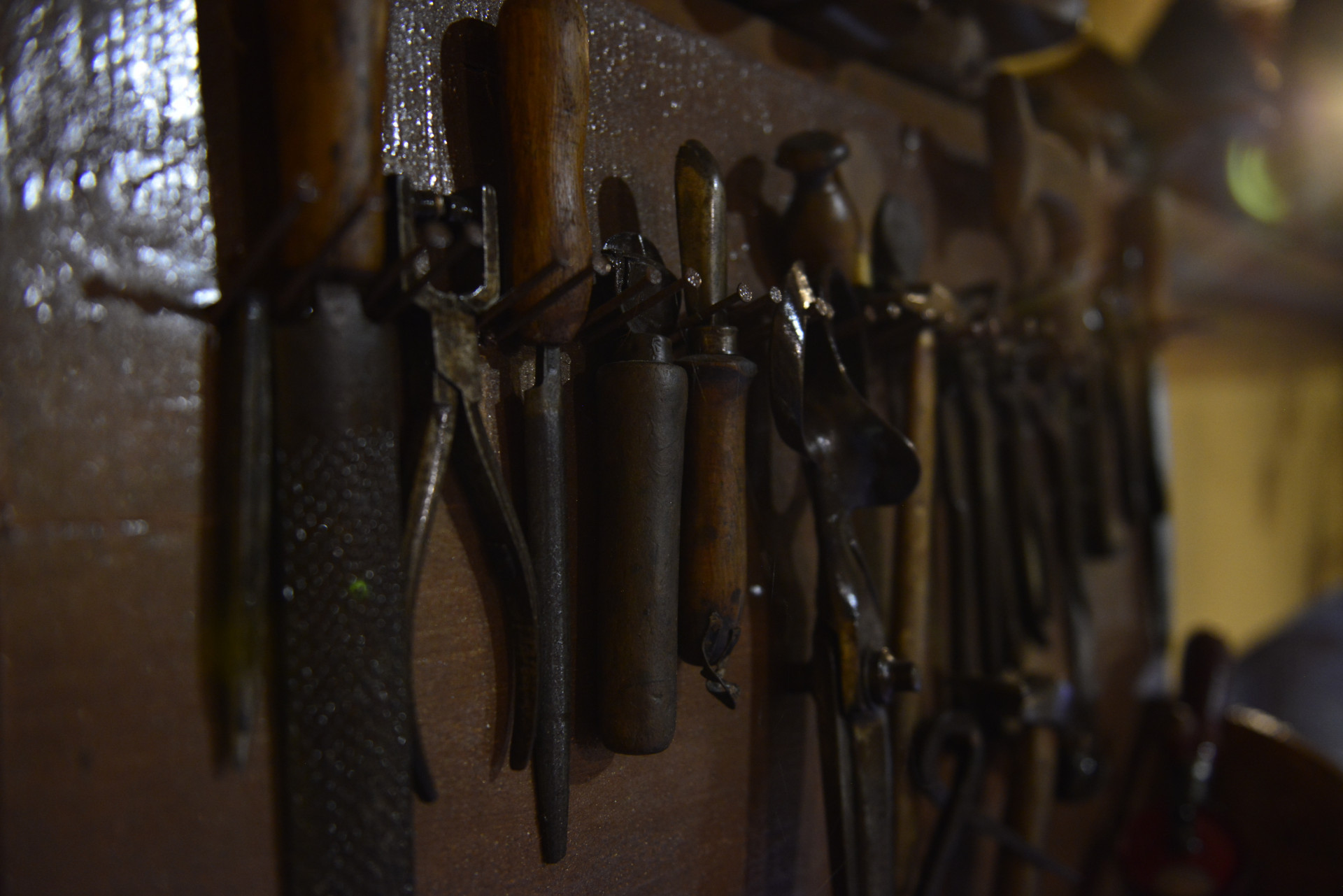
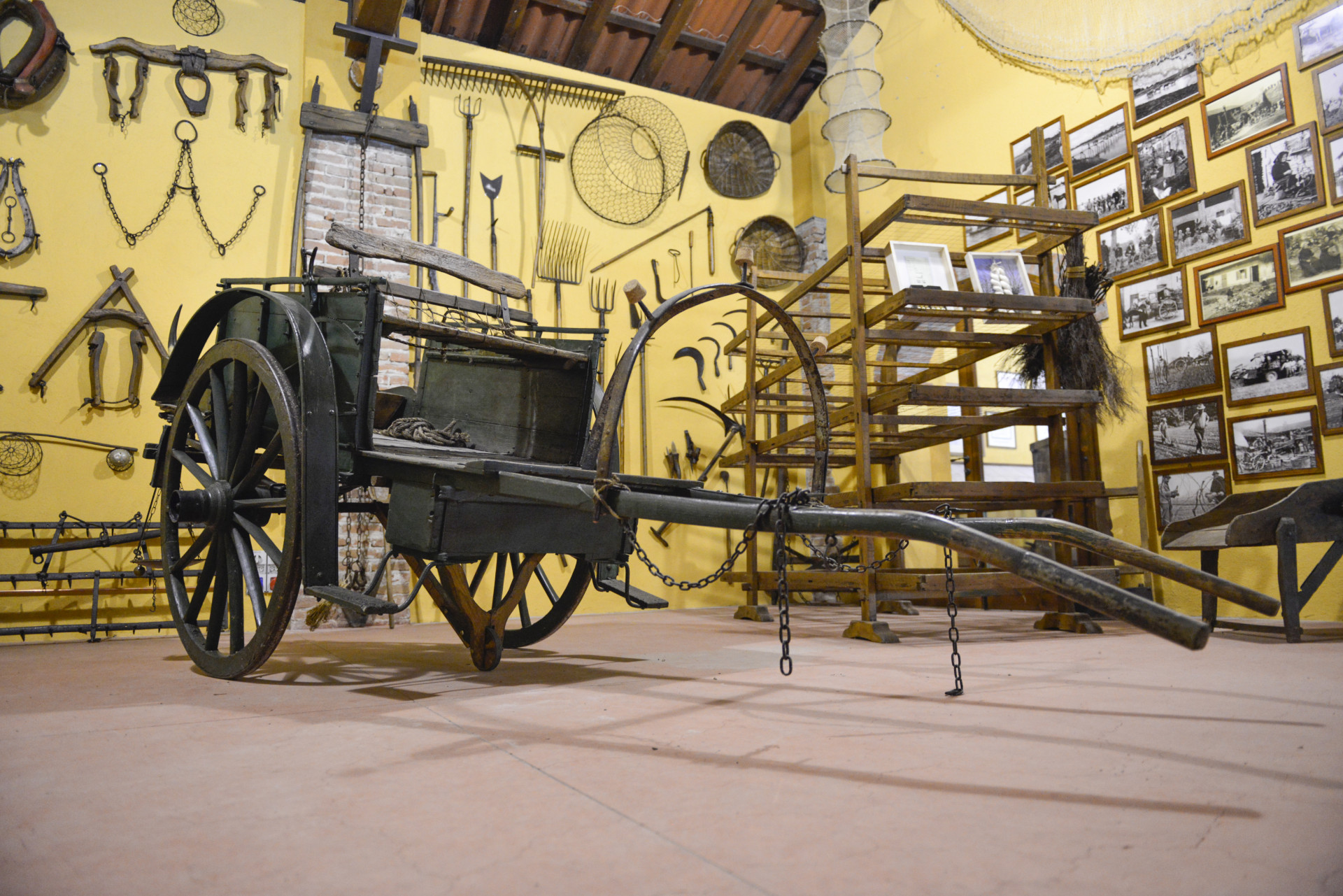
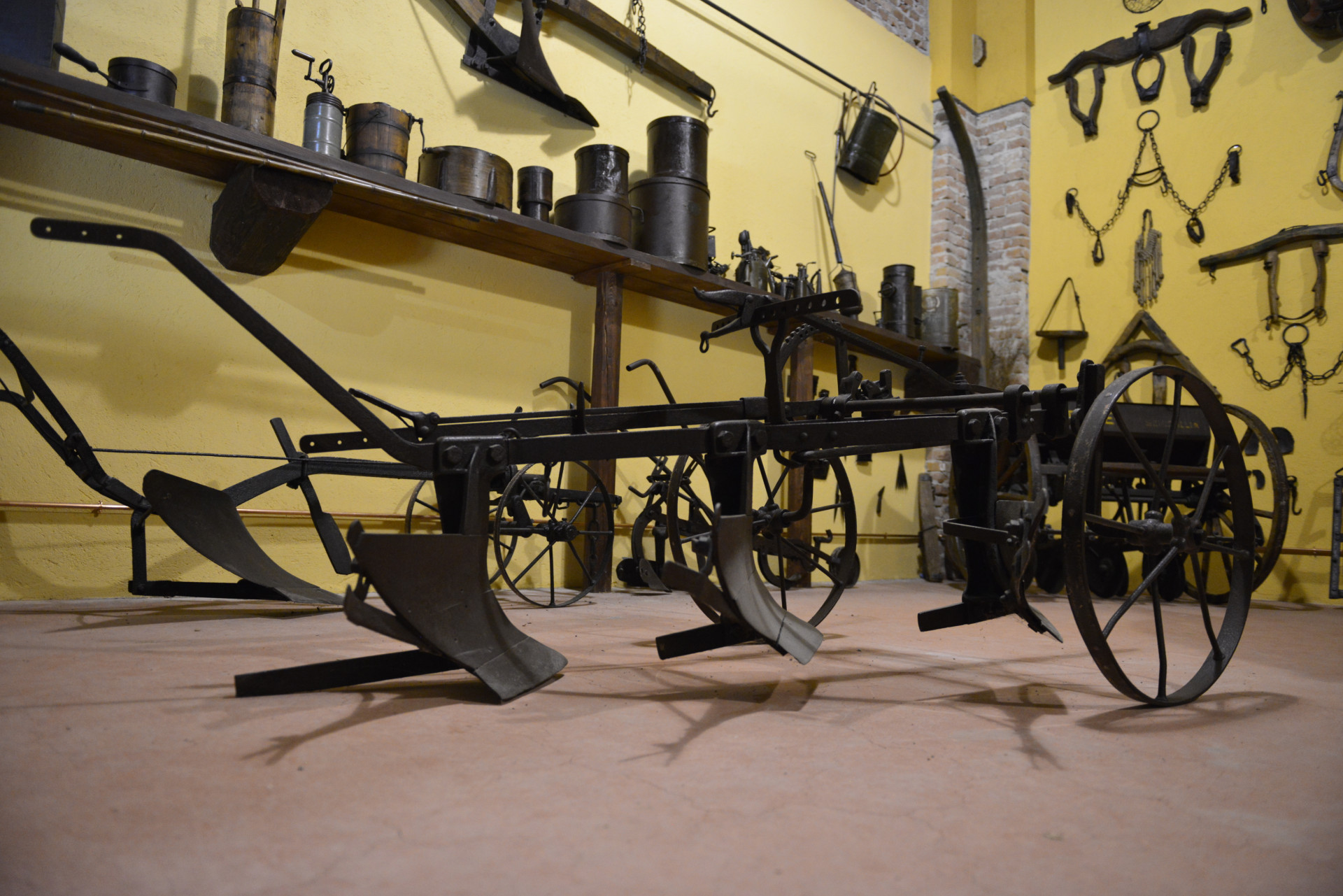
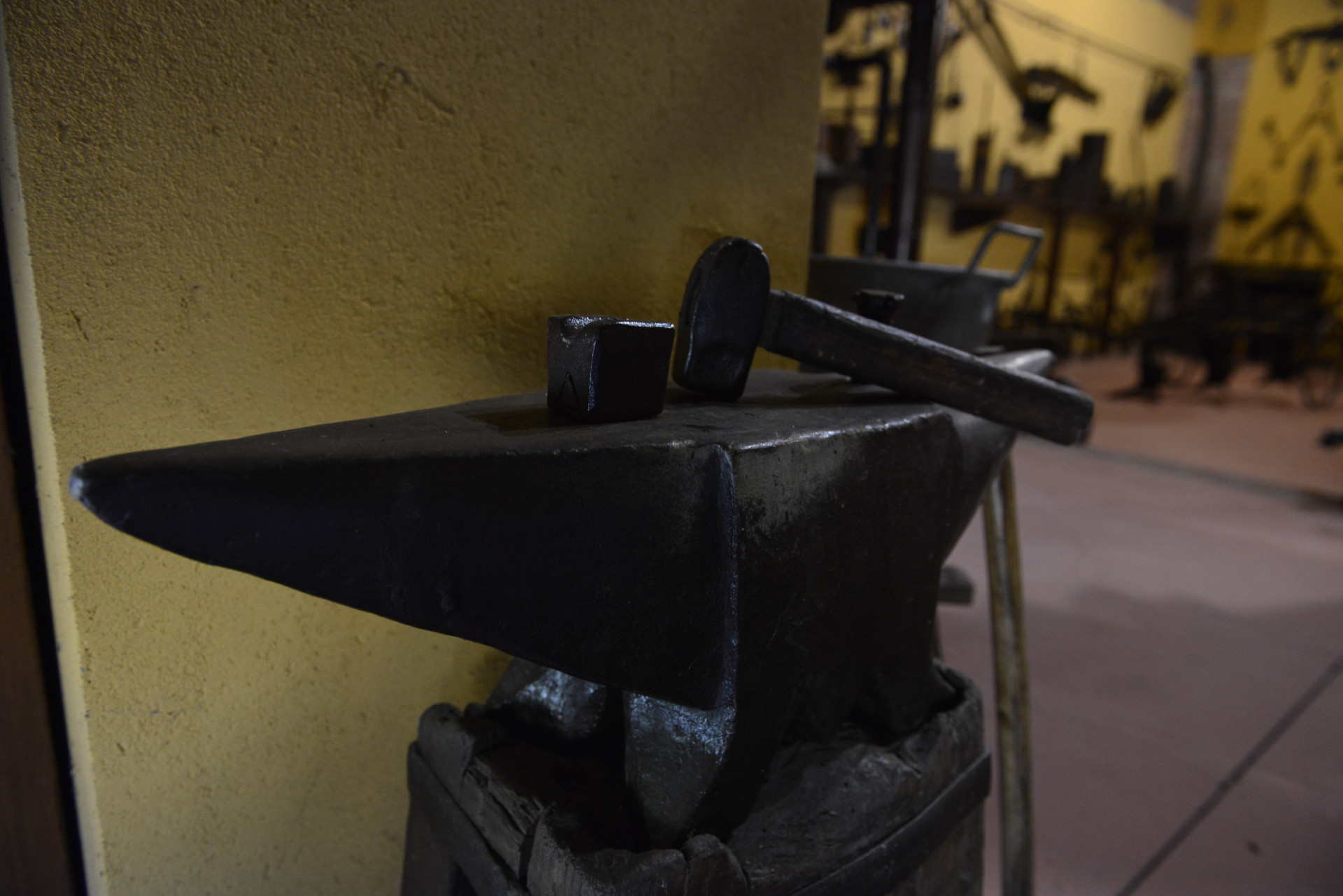
Adjacent to the gold digger museum is the "Porti d'i barlafìs" which is a very rich collection of tools of rural civilization used in past centuries by the local population.